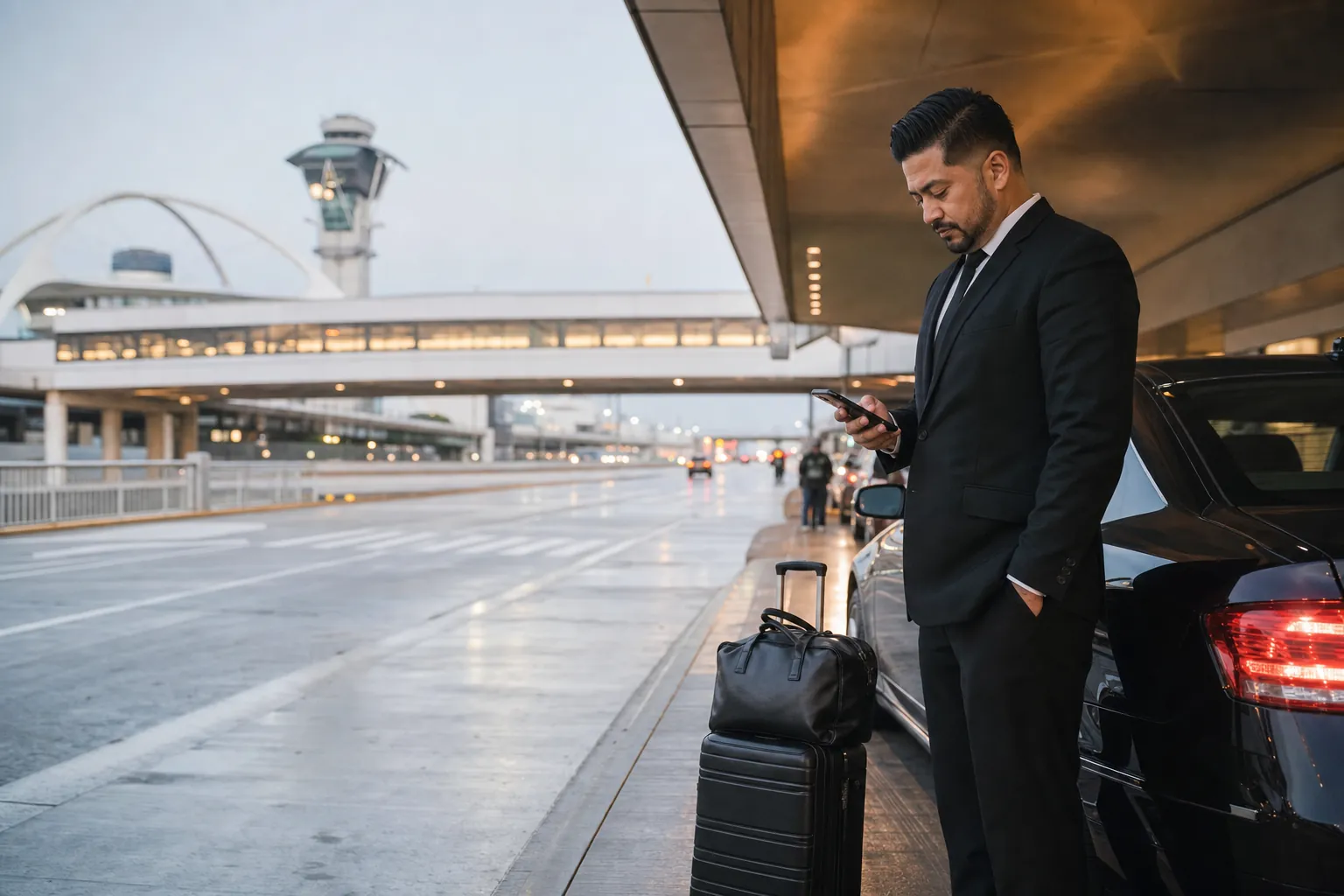
Start with the flight number and the full arrival picture.
Landing time is only the start of an LAX arrival. Travelers still need to deplane, walk through the terminal, collect checked bags, meet up with the rest of the party and get ready to leave. Providing the flight number gives the team useful context for planning the pickup around those normal steps.
Keep one phone charged and nominate one traveler to handle messages once the group is ready. That small decision can help when bags are delayed, children need attention or travelers have spread out between baggage carousels. For international guests, make sure that contact can receive messages after landing.
Let the team know early if the party is arriving on different flights or carrying more than the usual luggage. A practical pickup plan begins with an accurate picture of when the whole group can actually leave LAX, not just the first scheduled touchdown.
Use the complete destination, not only “Santa Maria.”
A Central Coast transfer becomes more useful when it is planned to the real end point. The final stop might be a hotel, private home, office, family gathering, event venue, vineyard-area stay or another address outside the city center. Giving the full street address and the timing that matters helps shape a route around the day ahead.
If there is a hotel check-in, meeting, rehearsal dinner, appointment or planned stop on the way, mention it while arranging the ride. A longer private transfer works best when the route reflects the actual itinerary, rather than treating the final destination as a pin on a map with no context.
For a hotel or rental, share the property name as well as the address. For a venue or office, include a useful arrival contact. Those details reduce the chance that a tired traveler has to solve the final handoff after a long airport day.
Choose the airport handoff that suits your group.
Some travelers prefer a straightforward curbside pickup once baggage is collected. Others may benefit from a more guided meet-and-greet arrangement, particularly when traveling with young children, older relatives, first-time LAX visitors or a larger group. The best approach is the one that makes the handoff clear for the people actually traveling.
When booking, mention child seats, a stroller, mobility needs, large bags or other details that could change the pickup conversation. Those details give the team time to help shape a sensible plan before the terminal is busy and everyone is trying to leave at once.
It is also worth being realistic about the first hour after arrival. Build the transfer around deplaning and baggage claim, not just the drive itself. Giving the airport exit a little breathing room can make the entire Central Coast journey feel calmer.
Arrange the return to LAX while the itinerary is fresh.
Return travel is easier when it is handled before the last day of the trip. Arrange the Santa Maria to LAX ride with the arrival transfer, then confirm the departure flight, pickup address, passenger count and expected luggage. If there is a late checkout, a stop in Los Angeles or a different group composition on the way back, include that in the conversation.
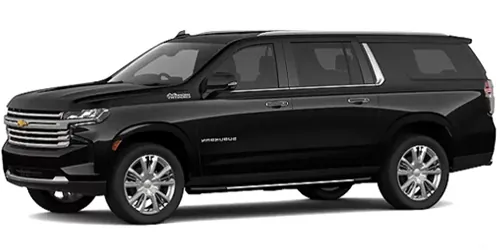
Travel plans often change between arrival and departure. Souvenirs, event materials, extra passengers or new luggage can change the space needed in the vehicle. Mentioning those possibilities early creates room to revisit the plan before departure day instead of making a rushed choice at the end of the trip.
A reserved return gives travelers one team to contact if the itinerary shifts. It lets the airport departure be planned as thoughtfully as the arrival, with the same attention to vehicle fit, luggage and the time everyone needs to travel comfortably.